Maritime Entdeckungsreisen
Studien der Tier- und Pflanzenwelt aller Weltozeane.
- FYD-Adventure beteiligt sich unter anderem an internationalen Programmen, die der Erforschung aller Weltmeere und ihren Einfluss auf unser Klima und den Konsequenzen offenlegt.
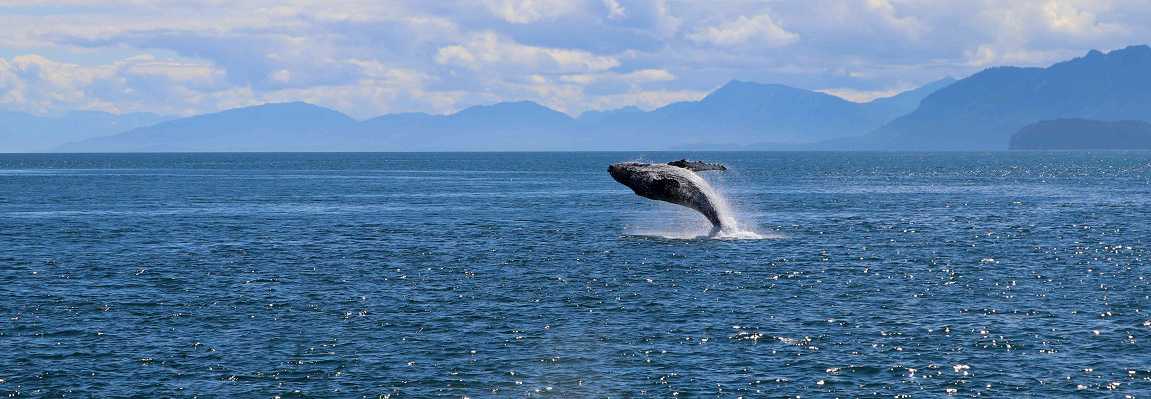
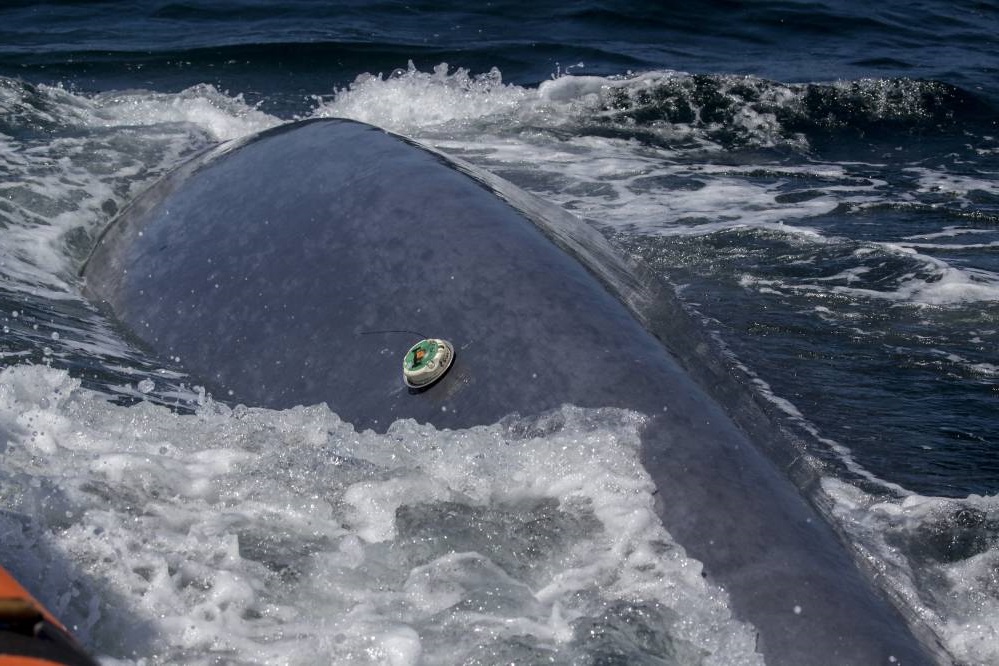
- Begleitung von Meeresbiologen bei der Erforschung von Walimmigrationen.
- Soundaufnahmen von Meeressäugern mit Multihydrophonen.
- Erforschung des Sozialverhaltens von unseren Meeresbewohnern.
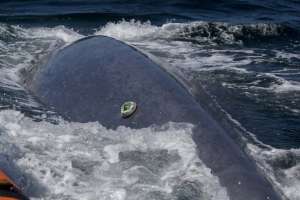
- Anbringen von Satellitensendern und Auswertung der Immigrationswege
- Kameraaufnahmen mit getarnten Kameras in den Reproduktionsgebieten
- Beobachtung der Verhaltensformen zwischen den unterschiedlichen Individuen einer Gruppe sowie den unterschiedlichen Gruppen untereinander
- Analyse der Nahrungsaufnahme
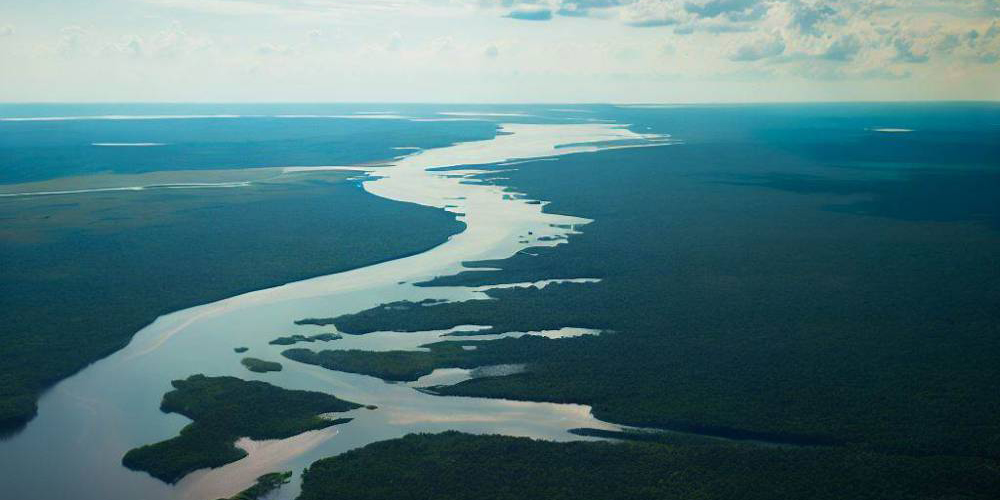
Sedimentprobenentnahme in den Flussdeltas des Amazonas
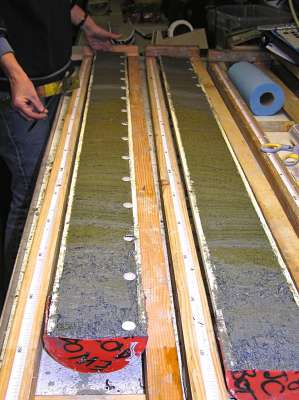
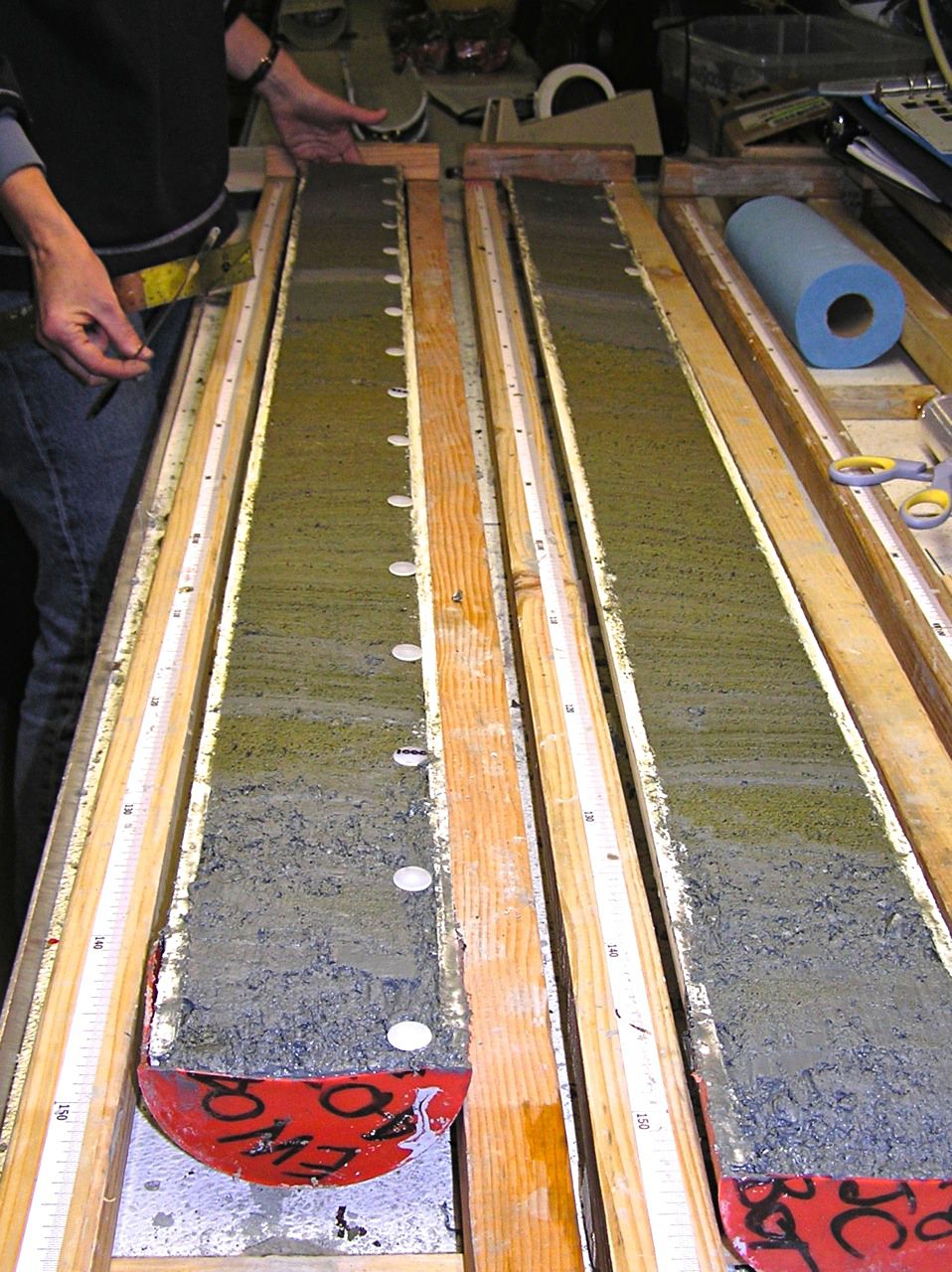
- Bohrungen zur Entnahme von Sedimentkernen
- Analyse für Sedimenttransporte über Jahrtausende zwischen den Kontinenten
- Analyse der Veränderungen des Meeresspiegels
- Analyse von Schwermetallablagerungen in den unterschiedlichen Zeitepochen
- Strömungsverlaufanalysen der Flüsse
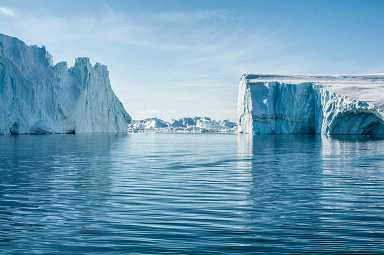
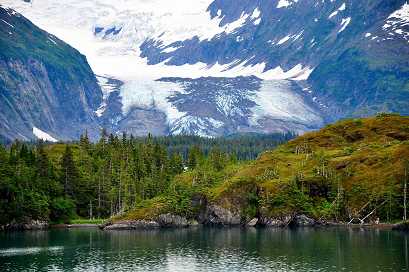
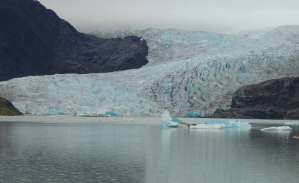
Erforschung der Veränderung der Gletschereismassen in Grönland und Patagonien
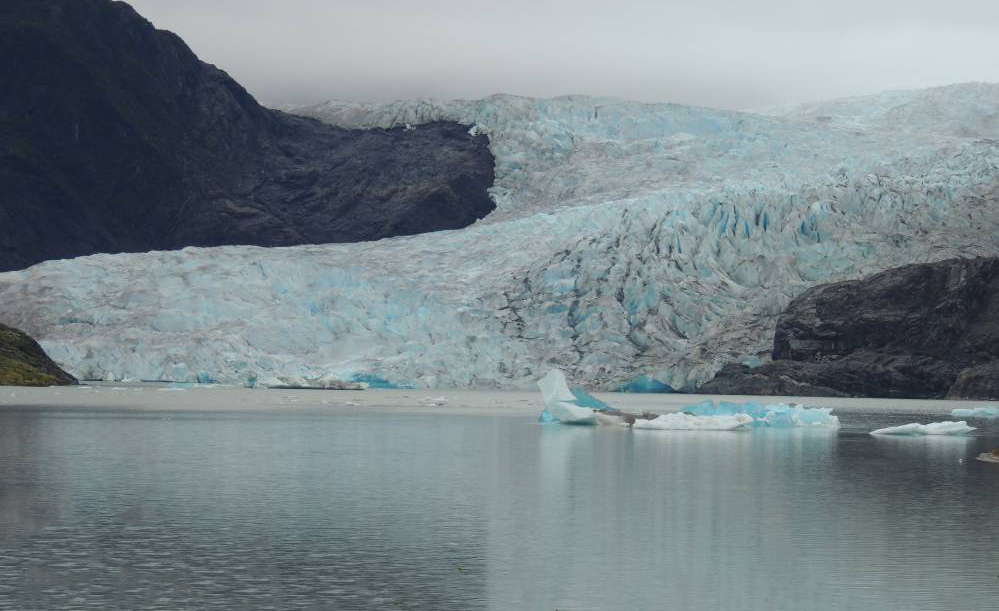
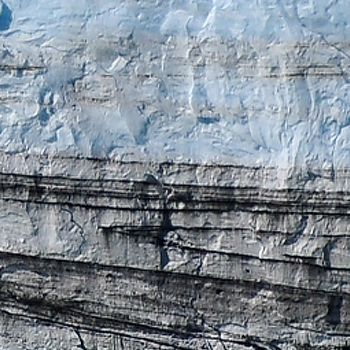
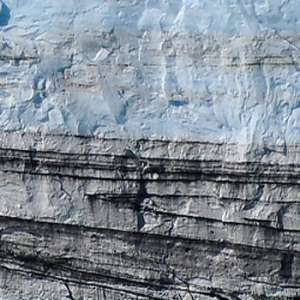
- Entnahme von Eiskernschichten
- Analyse möglicher Zusammenhänge mit der Klimaentwicklung
- Erforschung der Auswirkungen von im Eis eingeschlossenen Viren und Bakterien auf unser gegenwärtiges Ökosystem
- Suche nach einer Lösung, um die Freisetzung von Methangas in die Atmosphäre zu verringern
- Studie zur Frage, ob im Eis eingeschlossene Samen in unserer Umwelt aufblühen können
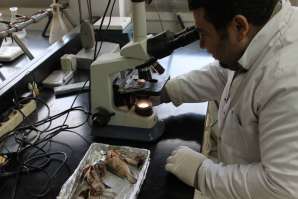
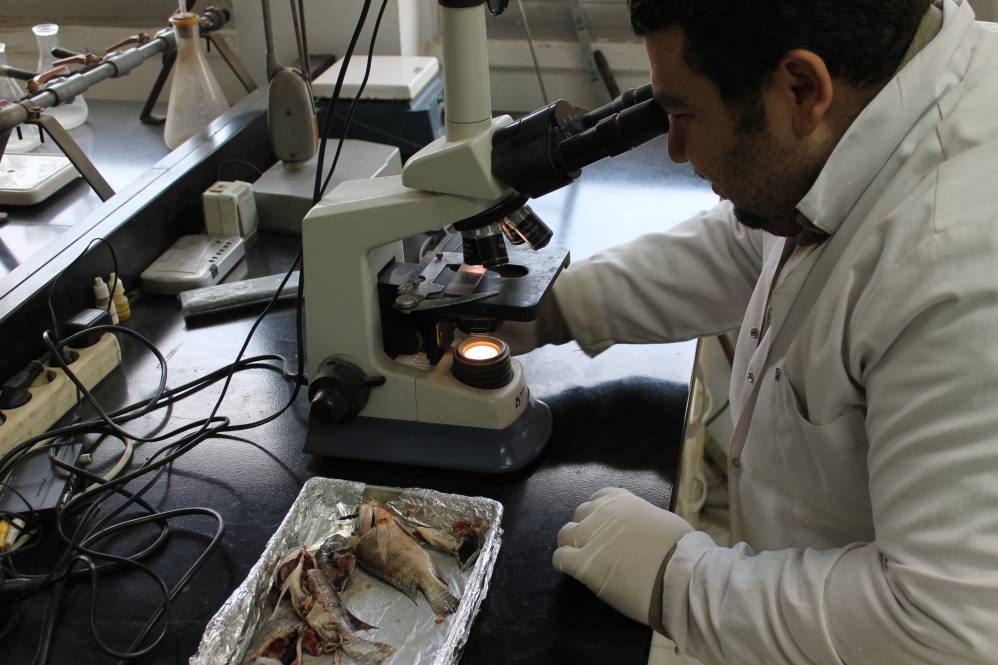
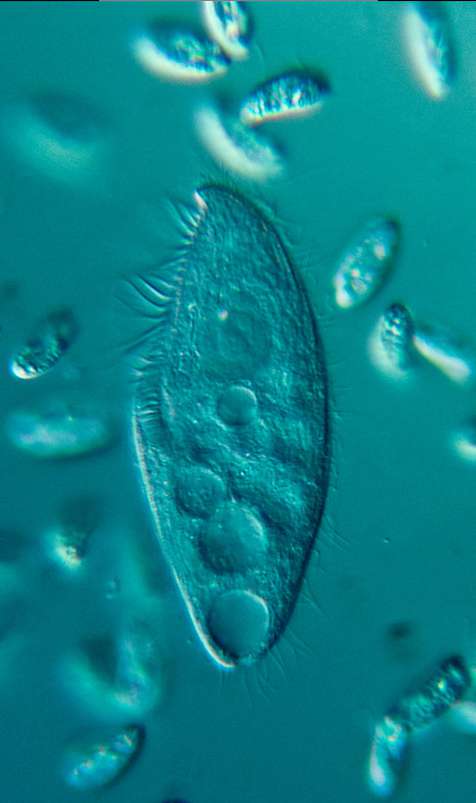
Laboruntersuchungen an Meeres-, See- und Flusstieren
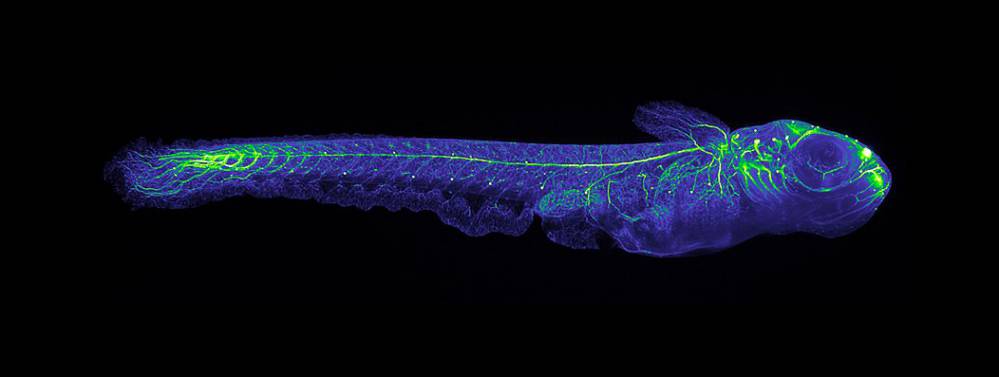
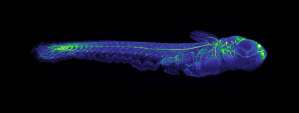
- Gewebeprobenentnahme von Meeres-, See- und Flusstieren
- Untersuchungen auf genetische Veränderungen, Krankheiten, Schwermetalle und andere Giftstoffe
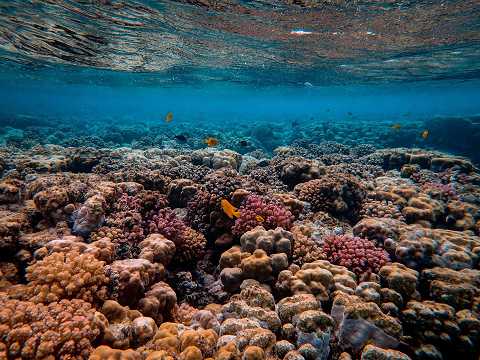
Korallenriffe und Küstenschutz
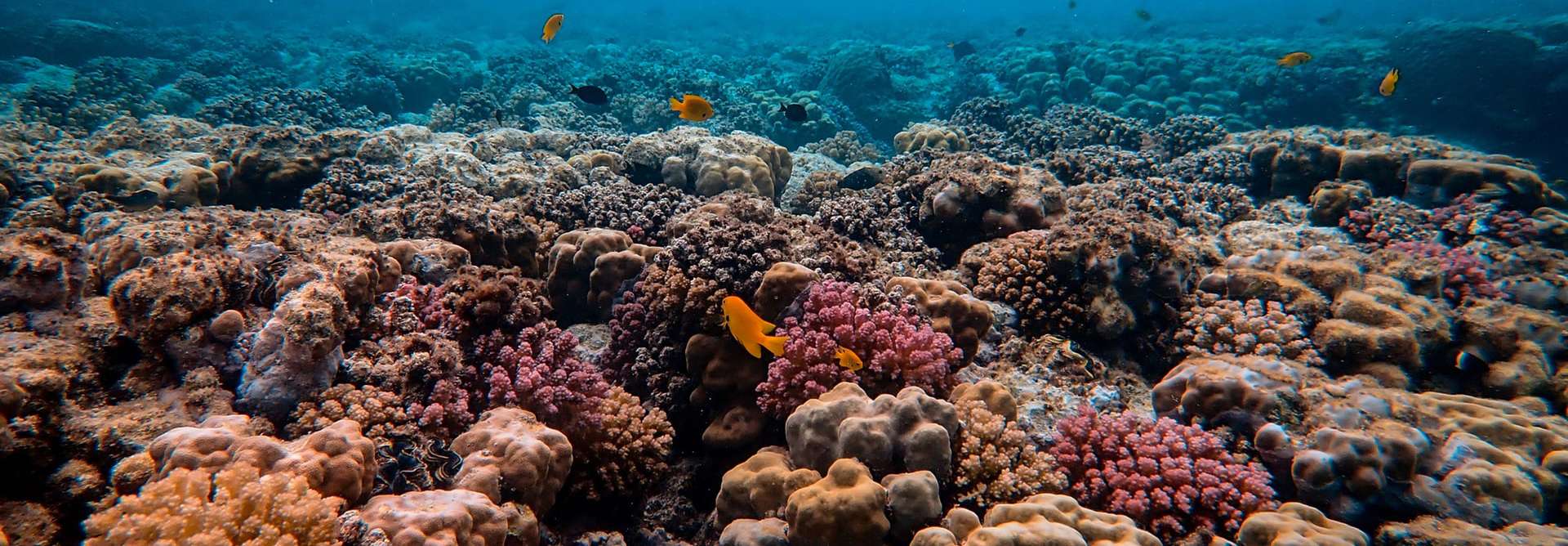
- Aktive Unterstützung der Korallenaufforstung in den von uns befahrenden Seegebieten.
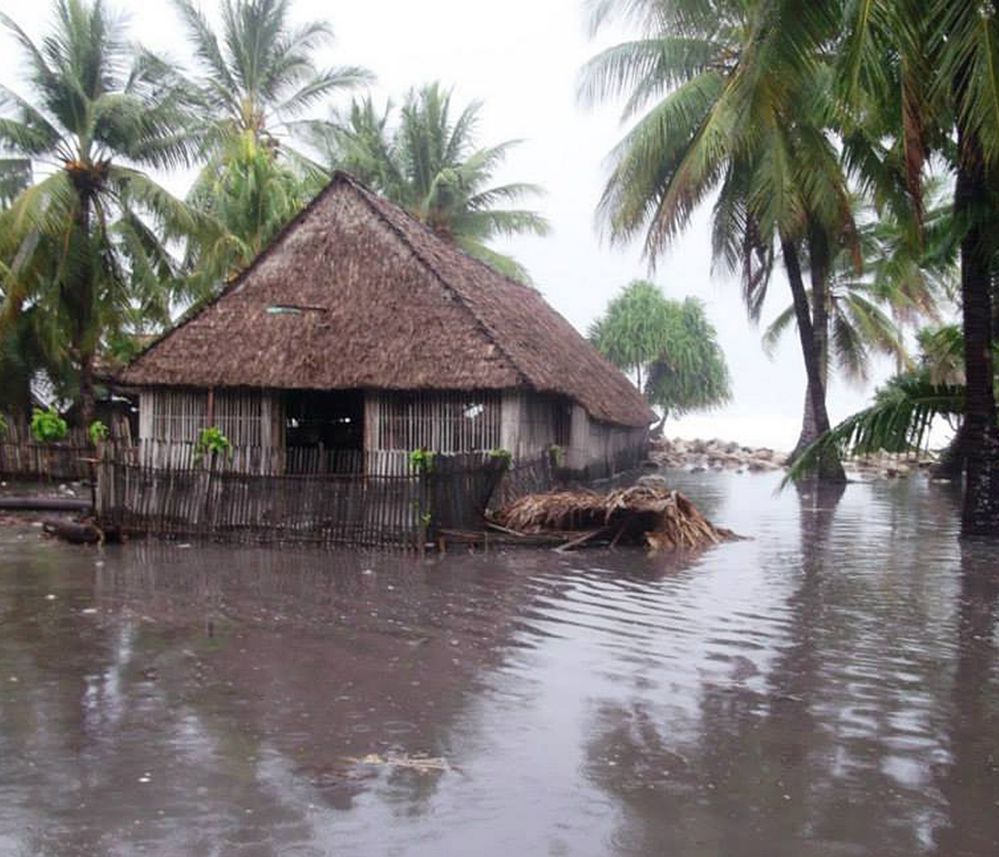
- Beratung und angemessene Hilfe für die von Klimawandel bzw. Meeresanstieg betroffenen Bevölkerungsgruppen, z.B. „Marshallinseln“.
- Unterwasseraufnahmen zu Studienzwecken an Korallenriffen und Küstenregionen.
- Tauchgänge mit einheimischen Tauchern und Meeresarchäologen.
Wasseranalyse
An Bord unserer Expeditionsyacht befindet sich eine Hydroanalysestation.
Sie misst über den gesamten Zeitraum: Temperatur, Salzgehalt, Co2, pH, Mikroplastik, Trübheit, Fluoreszenz und Nitrat.
Diese Daten werden von uns dann per Satellit an die jeweiligen Forscher weitergeleitet.
Ein intensiver Informationsaustausch mit Seminaren zwischen Instituten, Forschern, Universitäten, Studenten und unserer Organisation wird schon realisiert und über die ganze Reisedauer ausgebaut.
Workshops für und Filmbeiträge mit Schülern und Kindern sind vorgesehen.
Expeditionen an Land
Beobachtung der Fauna und Flora auf allen Kontinenten.
Einige Beispiele für terrestrische Expeditionen:

- Wanderung zur Erforschung der Tundra mit der Biologin Maria J.
- Kajakfahrt mit Walen in Norwegen und Spitzbergen
- Wanderung mit dem Bärenforscher Bruno C. in den Karpaten
- Fahrt in die Steppen Kasachstans
- Entdeckung der Frühlingssahara auf der Suche nach der Prähistorie mit der Archäologin Marie K.
- Kajakfahrt in der Casamance (Senegal) mit dem Biologen Thomas F.
- Kleine Expedition in die Mangroven Guineas
- Flussfahrten mit Forschern im Amazonas und Pantanal
- Mit dem Pferd in die Pampa Argentinien
- Gletschererkundung in Patagonien mit dem Naturwissenschaftler Gabriel S.
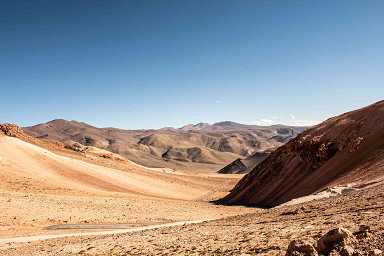
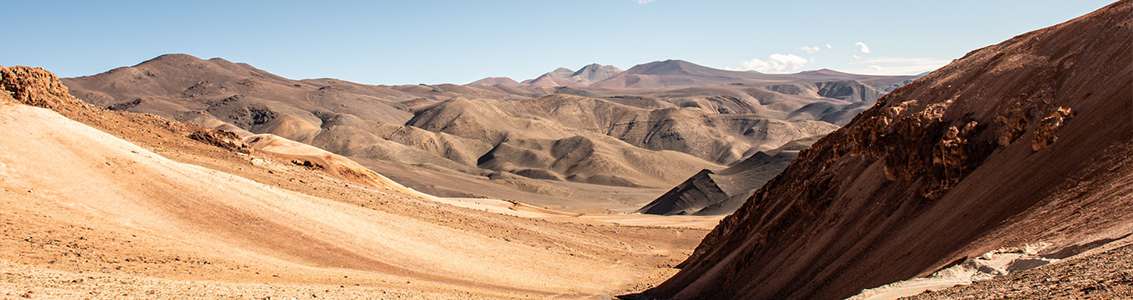
- Begehung der Anden und Teile der Atacamawüste mit dem Geologen Peter F.
- Entdeckung der Kalifornischen Halbinsel
- Expedition in die Rocky Mountains
- Ausflüge in die Urwälder Nordwestamerikas auf der Suche nach den Spuren ihrer Ureinwohner
- Begegnung mit Bärenforschern in Alaska
- Besteigen der Vulkane Alaskas mit dem Geologen Peter F.
- Landgänge im hohen Norden Canadas auf der Suche nach Zeugnissen der Vergangenheit
- Küsten und Inlandreisen in Grönland
- Tierbeobachtungen in den Sümpfen von Louisiana mit dem Biologen Chris A.
- Kajakfahrt durch die Everglades
- Besichtigung der Galapagosinseln mit ihrer Tierwelt
- Entdeckung der pazifischen Inselwelt
- Durchquerung des australischen Outback auf der Suche nach der Kultur seines Urvolkes
- Begegnung mit dem Indischen Kontinent
- Kajakfahrt in Madagaskar auf den Inlandkanal
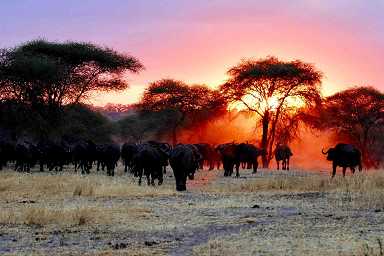
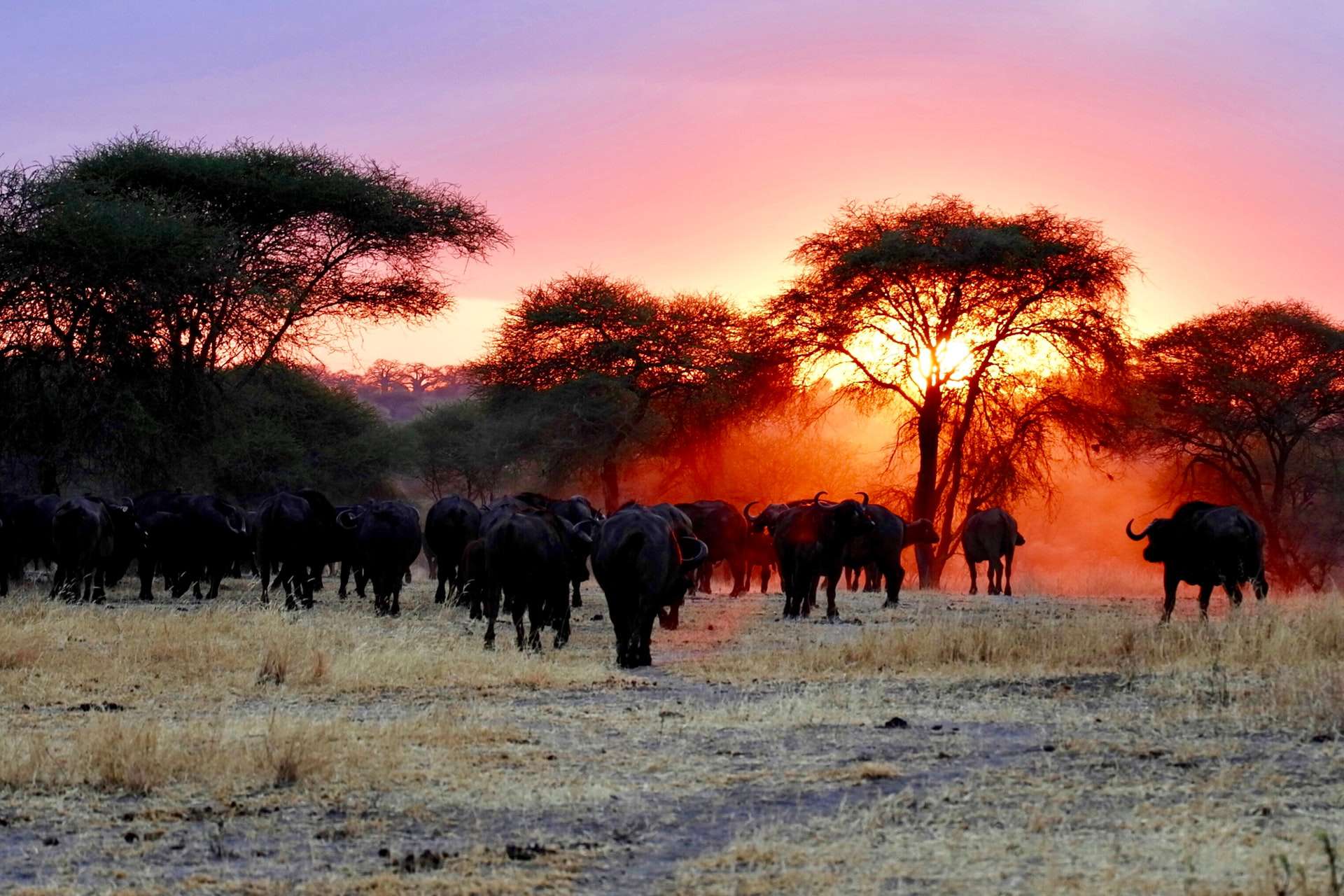
- Entdeckung der Tierwelt Ost und Südafrikas
- Expedition in die Kalahari zu den letzten Wüstenelefanten
- Befahren der Flüsse Westafrikas bis in die Urwaldregionen
… und hoffentlich vieles mehr…
Entwicklungszusammenarbeit
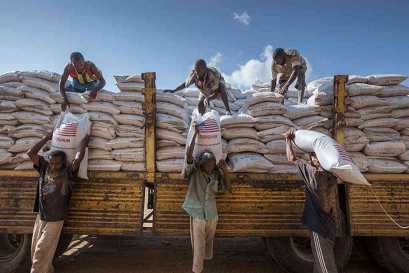
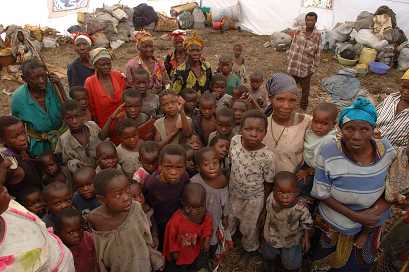
Ein internationales Netzwerk von Ärzten, Technikern, Agronomen, Veterinären und Pädagogen hat sich dem oben genannten Projekt angeschlossen, um in den von der Expeditionsyacht bereisten Ländern Entwicklungszusammenarbeit zu leisten. Dies geschieht mit Einverständnis der nationalen Behörden und örtlichen NGOs:
- Die Ärzte werden nach Absprache mit den Verantwortlichen des örtlichen Gesundheitswesens und den einheimischen aktiven NGOs hilfebedürftige Personen behandeln und beraten.
- Die Techniker entwickeln und bauen vor Ort unter anderem Trinkwasseranlagen, Solarstromerzeuger und ähnliche technische Elemente.
- Die Agronomen werden die Bewohner der ländlichen Gebiete unterstützen und mit ihnen zusammenarbeiten.
- Die Veterinäre stellen kostenlose Behandlung und Beratung zur Verfügung sowie Seminare zur Epizootie-Bekämpfung.
- Die Pädagogen unterstützen alle Arten von Bildungseinrichtungen in materieller und ideeller Art. Eine Kooperation zwischen Schulen und Universitäten wird organisiert.
Helping hands for the world
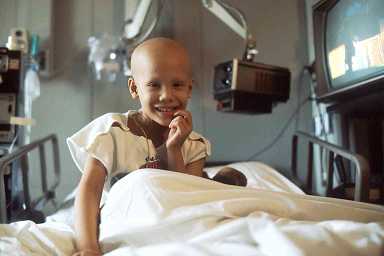
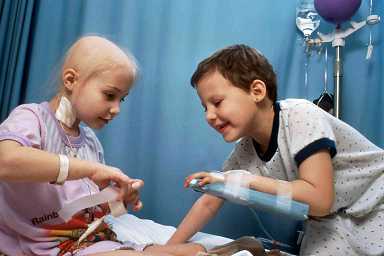
„Im November 2018 besuchte ich eine Freundin in einem polnischen Krankenhaus…verlief mich in den Gängen und landete auf einer Kinderstation… eine offene Tür… ich schaute hinein und war sehr überrascht… ein Junge 9-10 Jahre alt, ohne Haare, stark abgemagert und mit mehreren Infusionen in den Armen lächelte mich an… als er sah, dass ich verunsichert beziehungsweise schockiert war, wurde aus seinem Lächeln ein Lachen… ich zog mich beschämt zurück… in diesem Lachen war soviel Lebenskraft. Wir sollten die Hände dieser Kinder besonders festhalten.“
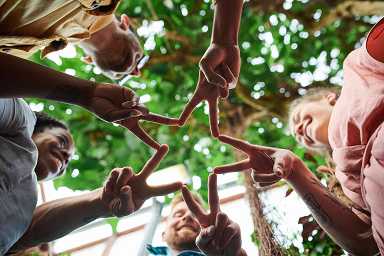
Im Gespräch mit den Partnern von FYD-Adventure, entwickelte sich dann das Projekt „Helping hands for the World“, das wir mit der Hand in unserem Großsegel bei der 10-jährigen Weltumseglung symbolisieren.
In Zusammenarbeit mit Gesundheitsministerien, Krankenhäusern und kinderbetreuenden Einrichtungen sollen Mädchen und Jungen, die gesundheitlich oder sozial benachteiligt sind, ihre Hand auf eine Seite Reispapier (biologisch abbaubar) zeichnen, in der sie dann ihre Träume und Wünsche für die Zukunft eintragen. Diese kleinen Hände sind durch eine überdimensionierte Hand auf unserem Großsegel symbolisiert. Freiwillige Helfer werden das Einsammeln dieser Aufzeichnungen in jedem Land unabhängig organisieren und an FYD-Adventure weiterleiten.
Auf der Expeditionsyacht lassen wir dann an den Scheitelpunkten von Ländern oder Kontinenten (z. B. Ostseegrenze Deutschland-Polen, die Meeresengen von Bosporus und Gibraltar, Magellanstraße, vor New-York und Sydney) nach Absprache mit den örtlichen Behörden einen Drohne mit einem Korb in die Lüfte steigen. In diesem befinden sich die symbolischen Hände auf Reispapier skizziert mit den Träumen und Wünschen der Kinder.
Ein durch Kinderhand ausgelöster Mechanismus öffnet diesen Korb, der Wind trägt die Seiten aufs Meer hinaus und hoffentlich… werden… viele… ihrer… Träume… wahr…
Kultur -
bezeichnet im weitesten Sinne alles, was der Mensch selbst gestaltend hervorbringt
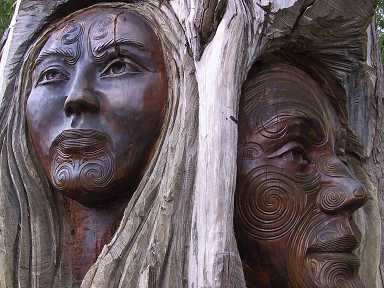
Es gilt, alte Traditionen, deren Ursprung und ihre Zukunft in Zusammenarbeit mit z. B. First Nation-Organisationen einer genauen Studie zu unterwerfen.
Wir möchten Musik, Gesang und Tanz („die schönsten Ausdrucksarten menschlichen Seins“) erleben, dokumentieren und weitergeben.
Malereien und Skulpturen werden diese Reise in unterschiedlicher Art begleiten. Besuche kulturhistorischer Orte und zeitgenössischer Museen sowie Galerien verstehen sich von selbst. Darüber hinaus kommen aber auch Künstler an Bord und dokumentieren auf ihre ganz eigene Weise das Erlebte unserer Entdeckungsreise.
Nahrung aufzunehmen ist mehr als eine biologische Notwendigkeit. Ein Mitglied unserer Organisation wird als kulinarisches Verbindungsglied zwischen den unterschiedlichen Esskulturen wirken. Seine Aufgabe ist es, im Zeitraum seiner Anwesenheit eine kulinarische Kultur zu fördern und sich mit der Bevölkerung auszutauschen. Das wird unter anderem durch gemeinsames Kochen, Kosten und Speisen organisiert.
Film und Reportagen
Ein professionelles Drehteam begleitet den Bootsbau mit den dann folgenden Expeditionsvorbereitungen und die 10-jährige Weltumseglung, um eine Langzeitdokumentation zu realisieren.
Zwei Mitglieder unserer Organisation haben eine Ausbildung zum Kameramann absolviert und ein Dritter ist Tonassistent.
FYD-Adventure wird Dokumentationsfilme drehen, die Menschen, ihre Kulturen, Lebensweisen und die Natur in ihrer ursprünglichen Form zeigen.
Eine enge audiovisuelle Zusammenarbeit mit nationalen und internationalen Fernseh- und Radiosendern wird über den gesamten Zeitraum des Projektes stattfinden.
Jedes Mitglied realisiert selbstverständlich auch seine eigenen Fotos und Kurzfilme.
Euer Projekt
Wenn Ihr ein Projekt habt, was die Humanität bereichern könnte, Lebewesen aller Art schützen würde, technische Neuheiten hervorbrächte oder kulturell-ethisch einfach nur schön wäre, würden wir uns freuen, davon mehr zu erfahren.
Einmal im Monat stellen wir auf unserer Website unter der Rubrik „Eure Projekte“ dann diese von uns ausgesuchten Vorhaben mit Eurem Einverständnis vor.
Wir freuen uns auf Eure Projekte.